1108 N Argonne Rd, Spokane Valley, WA 99212 · Domingos 1:45–3:30 PMSundays 1:45–3:30 PM

Ayudando a americanos e hispanos a conocer a Jesús y darlo a conocer.

Helping Americans and Hispanics know Jesus and make Him known

Somos una iglesia bilingüe e intercultural en Spokane que une a americanos e hispanos como un solo pueblo en Cristo. Conocemos a Jesús al pasar tiempo con Él de manera personal y en comunidad, buscándolo por medio de Su Palabra, la adoración y la vida diaria. Nuestra relación con Él es personal y sin límites, y nos edificamos unos a otros mientras caminamos el camino que Dios tiene para cada uno de nosotros.

Damos a conocer a Jesús al compartir el evangelio en nuestra comunidad y discipular creyentes, formando pastores, diáconos y siervos líderes mediante una enseñanza bíblica clara y el trabajo en colaboración, para que el evangelio se multiplique de manera eficaz y Dios sea glorificado.

We are a bilingual, intercultural church in Spokane bringing Americans and Hispanics together as one people in Christ. We know Jesus by spending time with Him personally and in community, seeking Him through His Word, worship, and daily life. Our relationship with Him is personal and without limits, and we build one another up as we walk the path God has for each of us.

We make Jesus known by sharing the gospel in our community and discipling believers, forming pastors, deacons, and servant leaders through clear biblical teaching and working together, so that the gospel multiplies effectively and God is glorified.

Nuestra VisiónOur Vision

Puente á Vida existe para presentar a las personas a Jesús y ayudarlas a madurar en su fe, con el propósito de multiplicar ministros del evangelio espiritualmente sanos en comunidades minoritarias, localmente y alrededor del mundo.

Translation:

Puente á Vida exists to introduce people to Jesus and help them mature in their faith for the purpose of multiplying spiritually healthy ministers of the gospel in minority communities locally and around the world.

Puente á Vida nació de un sueño y de una convicción sobre una necesidad. El pastor Aaron tuvo un sueño de niño de compartir el evangelio con personas de muchas naciones. En gran parte ignoró ese sueño hasta 2024, cuando, sirviendo como pastor asociado bajo el pastor Jim Shiner, comenzó a ministrar a personas de otras culturas e idiomas. La afinidad de Aaron por amar y ministrar a personas de otros idiomas fue reconocida rápidamente y condujo a una clase multicultural de ESL en la iglesia. Durante este tiempo surgió una carga por la familia de su esposa, que solo hablaba inglés parcialmente. Después de una investigación extensa, descubrió solo 5 iglesias en la región de Spokane que abrían la Biblia en español, y en ese momento esas iglesias luchaban por alcanzar a los cerca de 60,000 hispanos en el área. Comenzó un estudio bíblico y el resto es historia. Puente á Vida existe para presentar a las personas a Jesús y ayudarlas a madurar en su fe, con el propósito de multiplicar ministros del evangelio espiritualmente sanos en comunidades minoritarias, localmente y alrededor del mundo.

Translation:

Puente á Vida was born out of a dream and a conviction for a need. Pastor Aaron had a dream as a young boy of sharing the gospel with people from many nations. He largely ignored that dream until 2024 when serving as associate pastor under pastor Jim Shiner he began ministering to other cultures and language peoples. Aaron's affinity for loving and ministering to other languages was quickly recognized and led to a multi culture ESL class in the church. During this time a burden arose for his wife's family who only partially spoke English. After extensive research he discovered only 5 churches that opened the Bible in the Spokane region that spoke Spanish and at the time those churches were struggling to reach the near 60,000 Hispanics in the area. A Bible study started and the rest is history. Puente á Vida exists to introduce people to Jesus and help them mature in their faith for the purpose of multiplying spiritually healthy ministers of the gospel in minority communities locally and around the world.

 Lo que creemosWhat we believe

Creemos en el único y verdadero Dios: Padre, Hijo y Espíritu Santo, tal como se presenta en la Biblia. Jesucristo, el unigénito, no creado. Por medio de Él fueron creadas todas las cosas.

Por nosotros y para nuestra salvación, descendió del cielo, se encarnó por el Espíritu Santo y nació de la virgen María, y se hizo verdaderamente humano.
Por causa nuestra fue crucificado, padeció la muerte y fue sepultado.
Al tercer día resucitó, conforme a las Escrituras.
Subió al cielo y está sentado a la derecha del Padre.
De nuevo vendrá con gloria para juzgar a los vivos y a los muertos, y su reino no tendrá fin.

Translation:

We believe in the one true God—Father, Son, and Holy Spirit—as revealed in the Scriptures (Deuteronomy 6:4; Matthew 28:19; 2 Corinthians 13:14).

Jesus Christ, the only begotten Son, not created (John 1:14, 18; John 3:16), the One through whom all things were made (John 1:3; Colossians 1:16; Hebrews 1:2), and who is eternally God (Hebrews 1:3; Colossians 1:17).

For us according to the will of the Father, and for our salvation, He came down from heaven (John 6:38; Philippians 2:6–7); by the Holy Spirit He became incarnate and was born of the Virgin Mary (Luke 1:34–35; Matthew 1:20–23), and became truly human (John 1:14; Hebrews 2:14–17).

For our sake He was crucified (1 Corinthians 15:3; Mark 15:24–25), suffered death (Philippians 2:8) and was buried (Matthew 27:59–60).

On the third day He rose again, in accordance with the Scriptures (Luke 24:6–7; 1 Corinthians 15:4).

He ascended into heaven (Acts 1:9–11) and is seated at the right hand of the Father (Mark 16:19; Hebrews 1:3).

He will come again in glory to judge the living and the dead (2 Timothy 4:1; Matthew 25:31–32), and His kingdom will have no end (Daniel 7:14; Luke 1:33)

Creemos que la Biblia es la Palabra de Dios inspirada y autoritativa, escrita por autores humanos bajo la guía del Espíritu Santo (2 Tim. 3:16–17; 2 Pe. 1:21). Es verdadera, completa e inmutable (Sal. 19:7; Jn. 17:17; Isa. 40:8). Las Escrituras revelan el plan de salvación de Dios, nos señalan a Jesucristo y equipan a los creyentes para toda buena obra, haciéndonos crecer hacia la madurez espiritual (Jn. 5:39; Rom. 10:17; Sal. 119:105). Por lo tanto, somos llamados no solo a escuchar la Palabra sino a obedecerla, permitiendo que forme nuestra fe, nuestra vida y nuestro testimonio al mundo (Stg. 1:22). Para nosotros es de suma importancia no aislar partes o fragmentos de la Palabra de Dios, sino compararla consigo misma en todos los asuntos de la vida y la piedad.

Translation: 

We believe the Bible is the inspired and authoritative Word of God, written by human authors under the guidance of the Holy Spirit (2 Timothy 3:16–17; 2 Peter 1:21). It is true, complete, and unchanging (Psalm 19:7; John 17:17; Isaiah 40:8). The Scriptures reveal God's plan of salvation, point us to Jesus Christ, and equip believers for every good work, helping us grow toward spiritual maturity (John 5:39; Romans 10:17; Psalm 119:105).

Therefore, we are called not only to hear the Word but to obey it, allowing it to shape our faith, our life, and our witness to the world (James 1:22). For us, it is of utmost importance not to isolate parts or fragments of the Word of God, but to compare it with itself in all matters of life and godliness.

Creemos que la Biblia es la Palabra inmutable de Dios, inspirada por el Espíritu Santo y autoritativa sobre toda la vida (2 Tim. 3:16–17; Isa. 40:8; Jn. 17:17). Aunque las culturas cambian y los valores se transforman, la Palabra de Dios permanece verdadera y relevante para cada generación. Las Escrituras llaman a los cristianos a no conformarse a los patrones de este mundo, sino a ser transformados mediante la renovación de la mente (Rom. 12:2). Como seguidores de Cristo, estamos llamados a involucrarnos en la cultura con gracia y verdad (Jn. 1:14), viviendo como sal y luz en el mundo (Mt. 5:13–16), siempre interpretando los valores y prácticas culturales a través del lente de la Palabra de Dios y no adaptando la Palabra de Dios a la cultura. Creemos que el matrimonio es una unión de pacto, creada y definida por Dios, entre un hombre y una mujer para toda la vida. Desde el principio, Dios diseñó el matrimonio como un reflejo de Su imagen: “Y creó Dios al ser humano a su imagen; a imagen de Dios lo creó; varón y hembra los creó” (Génesis 1:27), y como la unión de esposo y esposa en una sola carne: “Por eso deja el hombre a su padre y a su madre, y se une a su mujer, y se hacen una sola carne” (Génesis 2:24). Jesús afirmó este diseño divino al decir: “Por tanto, lo que Dios juntó, no lo separe el hombre” (Marcos 10:9). El matrimonio es también una imagen viva del amor de Cristo por Su Iglesia, ya que los maridos son llamados a amar a sus esposas “así como Cristo amó a la iglesia y se entregó a sí mismo por ella” (Efesios 5:25). El matrimonio está destinado a la compañía, el amor y apoyo mutuo, la bendición de los hijos y como testimonio de la relación de pacto de Cristo con Su pueblo (Efesios 5:31–32). Por lo tanto, el matrimonio es una unión santa diseñada por Dios entre un hombre y una mujer para Su gloria y para el florecimiento de las familias y comunidades, a fin de representar la deidad y expandir la gloria de Dios en la tierra.

Translation: 

We believe the Bible is the unchanging Word of God, inspired by the Holy Spirit and authoritative over all of life (2 Timothy 3:16–17; Isaiah 40:8; John 17:17). Although cultures change and values are transformed, the Word of God remains true and relevant for every generation. The Scriptures call Christians not to conform to the patterns of this world, but to be transformed by the renewing of the mind (Romans 12:2). As followers of Christ, we are called to engage with culture with grace and truth (John 1:14), living as salt and light in the world (Matthew 5:13–16), always interpreting cultural values and practices through the lens of the Word of God and not adapting the Word of God to the culture.

We believe that marriage is a covenant union, created and defined by God, between a man and a woman for life. From the beginning, God designed marriage as a reflection of His image: “So God created mankind in his own image, in the image of God he created them; male and female he created them” (Genesis 1:27), and as the union of husband and wife in one flesh: “That is why a man leaves his father and mother and is united to his wife, and they become one flesh” (Genesis 2:24). Jesus affirmed this divine design by saying: “Therefore what God has joined together, let no one separate” (Mark 10:9). Marriage is also a living image of Christ's love for His Church, since husbands are called to love their wives “just as Christ loved the church and gave himself up for her” (Ephesians 5:25).

Marriage is intended for companionship, mutual love and support, the blessing of children, and as a testimony to Christ's covenant relationship with His people (Ephesians 5:31–32). Therefore, marriage is a holy union designed by God between a man and a woman for His glory and for the flourishing of families and communities, in order to represent deity and expand the glory of God on earth.

Creemos en el Espíritu Santo, la tercera Persona eterna de la Trinidad, quien es plenamente Dios e igual con el Padre y el Hijo. El Espíritu estuvo activo en la creación (Gn. 1:2) y en la inspiración de las Escrituras (2 Pe. 1:21), y continúa Su obra hoy al convencer al mundo de pecado, justicia y juicio (Jn. 16:8). El Espíritu Santo habita en todo creyente desde el momento de la salvación (Rom. 8:9; 1 Co. 6:19), dando nueva vida, asegurándonos de nuestra adopción como hijos de Dios (Rom. 8:15–16) y transformándonos a la semejanza de Cristo (2 Co. 3:18). Él capacita a la iglesia con dones espirituales (1 Co. 12:4–7) para el servicio, la unidad y la edificación del cuerpo de Cristo. Creemos que el Espíritu guía a los creyentes a toda la verdad (Jn. 16:13) y es necesario para entender e interpretar correctamente las Escrituras, ya que la persona natural no puede comprender las cosas del Espíritu de Dios sin Su iluminación (1 Co. 2:12–14). Como escribió el apóstol Juan: “En cuanto a ustedes, la unción que de él recibieron permanece en ustedes, y no tienen necesidad de que nadie les enseñe. Esa unción es auténtica, no es falsa, y les enseña todas las cosas. Permanezcan, pues, en él, tal y como él les enseñó” (1 Jn. 2:27). Por Su obra, la Palabra de Dios es abierta a nuestras mentes y aplicada a nuestros corazones. El Espíritu también produce fruto en la vida de los creyentes (Gál. 5:22–23) y los capacita para vivir vidas santas y dar testimonio de Jesucristo en el mundo (Hch. 1:8).

Translation: 

We believe in the Holy Spirit, the eternal third Person of the Trinity, who is fully God and equal with the Father and the Son. The Spirit was active in creation (Genesis 1:2) and in the inspiration of Scripture (2 Peter 1:21), and He continues His work today by convicting the world of sin, righteousness, and judgment (John 16:8).

The Holy Spirit dwells in every believer from the moment of salvation (Romans 8:9; 1 Corinthians 6:19), giving new life, assuring us of our adoption as children of God (Romans 8:15–16) and transforming us into the likeness of Christ (2 Corinthians 3:18).

He equips the church with spiritual gifts (1 Corinthians 12:4–7) for service, unity, and the building up of the body of Christ. We believe that the Spirit guides believers into all truth (John 16:13) and is necessary to properly understand and interpret Scripture, since the natural person cannot comprehend the things of the Spirit of God without His illumination (1 Corinthians 2:12–14).

As the apostle John wrote: “As for you, the anointing you received from Him remains in you, and you have no need for anyone to teach you. That anointing is real, not counterfeit, and it teaches you about all things. Remain in Him, as His anointing has taught you” (1 John 2:27).

Through His work, the Word of God is opened to our minds and applied to our hearts. The Spirit also produces fruit in the lives of believers (Galatians 5:22–23) and empowers them to live holy lives and bear witness to Jesus Christ in the world (Acts 1:8).

Creemos que la Iglesia es el cuerpo de Cristo, compuesta por todos los creyentes en todo lugar que han sido redimidos por Su sangre y unidos por el Espíritu Santo (Efesios 1:22–23; 1 Corintios 12:12–13). La Iglesia no se define por un edificio, sino por el pueblo de Dios, llamado fuera del mundo para adorarle, crecer en Su Palabra y vivir como Sus testigos (1 Pedro 2:9; Hechos 1:8). La Iglesia existe para glorificar a Dios amándole a Él y amando a los demás, proclamando el evangelio de Jesucristo, haciendo discípulos de todas las naciones y sirviendo como una expresión visible de Su reino en la tierra (Mateo 28:19–20; Efesios 3:10–11).

Creemos que la iglesia local es el diseño de Dios para que los creyentes se reúnan regularmente para la adoración, la oración, la comunión, la enseñanza y para participar en las ordenanzas del bautismo y la Cena del Señor, animándose unos a otros al amor y a las buenas obras (Hechos 2:42–47; Hebreos 10:24–25). La Iglesia es a la vez universal y local: universal en que incluye a todos los creyentes de toda lengua y nación en Cristo a lo largo de los siglos, y local en que se expresa en congregaciones individuales donde los creyentes se unen en fe, amor y misión. Cristo es la cabeza de la Iglesia, y Su Espíritu la capacita para ser santa, unida y perseverante hasta Su regreso (Colosenses 1:18; Efesios 4:11–13).

Creemos que no toda iglesia física es una iglesia espiritual, lo que significa que no todos los que dicen ser creyentes realmente lo son (Mateo 7:22). Reconocemos que el cuerpo de Cristo no está representado de manera completa o perfecta en ninguna organización o asamblea única, sino que en cada localidad o congregación, la iglesia local se manifiesta allí donde dos o más personas son verdaderos creyentes nacidos de nuevo.

Además, creemos que no todos los que asisten a la iglesia son cristianos, aunque es nuestro deseo y esperanza que lleguen a serlo. Por lo tanto, esperamos que en cualquier domingo recibamos a incrédulos, y los acogemos con alegría con la intención de que puedan ser presentados a Jesucristo a través de la vida y el testimonio de la congregación (Juan 13:35; Romanos 10:14–15; Mateo 7:21)—«No todo el que me dice: “Señor, Señor”, entrará en el reino de los cielos».

Creemos que tenemos el deber de alcanzar y formar discípulos de Jesucristo en toda nuestra comunidad y en todo el mundo, extendiendo nuestro alcance dentro de los establecimientos religiosos existentes, asociándonos con otras iglesias locales y caminando junto a otros pastores en toda nuestra comunidad y alrededor del mundo.

Translation:

We believe that the Church is the body of Christ, composed of all believers everywhere who have been redeemed by His blood and united by the Holy Spirit (Ephesians 1:22–23; 1 Corinthians 12:12–13). The Church is not defined by a building but by the people of God, called out of the world to worship Him, grow in His Word, and live as His witnesses (1 Peter 2:9; Acts 1:8). The Church exists to glorify God by loving Him and loving others, proclaiming the gospel of Jesus Christ, making disciples of all nations, and serving as a visible expression of His kingdom on earth (Matthew 28:19–20; Ephesians 3:10–11).

We believe that the local church is God’s design for believers to gather regularly for worship, prayer, fellowship, teaching, and to participate in the ordinances of baptism and the Lord’s Supper, encouraging one another toward love and good works (Acts 2:42–47; Hebrews 10:24–25). The Church is both universal and local: universal in that it includes every believer from every tongue and nation in Christ throughout the ages, and local in that it is expressed in individual congregations where believers unite in faith, love, and mission. Christ is the head of the Church, and His Spirit empowers her to be holy, unified, and steadfast until His return (Colossians 1:18; Ephesians 4:11–13).

We believe that not every physical church is a spiritual church, meaning that not everyone who claims to be a believer truly is (Matthew 7:22). We acknowledge that the body of Christ is not fully or perfectly represented in any single organization or assembly, but that in every locality or organization, the local church is manifested wherever two or more individuals are present who are truly born-again believers.

Additionally, we believe that not everyone who attends church is a Christian, though it is our desire and hope that they would be. Therefore, we expect that on any given Sunday we will welcome unbelievers, and we joyfully receive them with the intention that they may be introduced to Jesus Christ through the life and witness of the congregation (John 13:35; Romans 10:14–15; Matthew 7:21)—“Not everyone who says to Me, ‘Lord, Lord,’ will enter the kingdom of heaven.”

We believe that we have the duty to reach and make disciples of Jesus Christ throughout our community and around the world, extending our reach into existing religious establishments, partnering with other local churches, and walking alongside other pastors throughout our community and across the globe.


En relación con lo que vemos que muchas iglesias hacen dentro del cristianismo moderno, para nosotros es importante ser transparentes acerca de nuestro modelo de liderazgo. Cuando hablamos de liderazgo, nos referimos a la dirección y la toma de decisiones de la iglesia. Existen cuatro modelos modernos de liderazgo: el modelo eclesiástico (como en la Iglesia Católica), el modelo dirigido por la congregación, el modelo dirigido por ancianos, y el modelo dirigido por un “Moisés”.

En una institución como la Iglesia Católica, los sacerdotes locales tienen poca o ninguna participación en la dirección o misión de la iglesia; sus decisiones están directamente sujetas a sus superiores, quienes pueden vivir o no en el mismo lugar, y que en última instancia están bajo la autoridad del concilio de cardenales y del papa.

En una iglesia dirigida por la congregación, la iglesia se reúne con frecuencia para hacer sugerencias colectivas sobre lo que debe enseñarse, cuál debe ser el impacto de la iglesia en la comunidad, y todas las decisiones importantes.

En una iglesia dirigida por ancianos, un grupo de ancianos se reúne regularmente para tomar decisiones, y de manera colectiva y por mayoría determinan cómo debe funcionar la iglesia.

En un modelo de liderazgo tipo “Moisés”, el pastor generalmente elige a un grupo de ancianos. Sin embargo, estos ancianos pueden tener poca o ninguna participación en la operación de la iglesia; su función suele ser apoyar al pastor principal, quien es el que toma todas las decisiones importantes sobre la operación de la iglesia.

¿Qué somos? Actualmente somos una iglesia con un modelo de liderazgo tipo Moisés, con la meta de ser una iglesia liderada por ancianos dentro del próximo año. Nuestros ancianos serán sugeridos a la congregación por nuestro pastor principal, Aaron, para que la congregación vote por ellos. Una vez votados, estos ancianos pasarán por una capacitación de liderazgo de tres meses para prepararlos para la obra de equipar a los santos. Todos los ancianos permanecerán como ancianos indefinidamente, o serán removidos por voto mayoritario del grupo de ancianos, a menos que renuncien voluntariamente o caigan en un fracaso moral sin arrepentimiento.

Translation:

In relation to what we see churches doing in modern christianity it is important to us to be transparent about our leadership model. When referring to leadership we are talking about the direction and decision making of the church. There are four modern models: Ecclesiastical led model (like the catholic church), the congregation led model, the elder led model, and Moses led model. In an institution like the catholic church local priests have little to no say in the direction of preaching mission of the church and are directly tied to the decision making of their superiors who may or may not live in the same locality, and ultimately make decision from the council of cardinals and the pope. In a congregation led church, the church very regularly meets and makes collective suggestions as to what should be taught, what impact the church should have on the community all major decisions. In a elder led church a group of elders come together regularly for the same decision and collectively agree with a majority decision how the church will operate. In a Moses led model church the pastor usually has a group of elders that he picks. These elders however may have little to no say in the operation of the church and are present to support the lead pastor who himself makes all impactful decision for the operation of the church.

What are we? We are presently a Moses led model church with the goal of being a elder led church within the next year. Our elders will be suggested to the congregation by our lead pastor, Aaron, to be voted upon. Once voted upon these elders will go through a three month leadership training to prepare them for the work of equipping the saints. All elders will remain elders indefinitely or removed by majority vote of the group of elders, unless they voluntarily resign or fall into unrepentant moral failure.

Acerca de nuestros líderesAbout Our Leaders
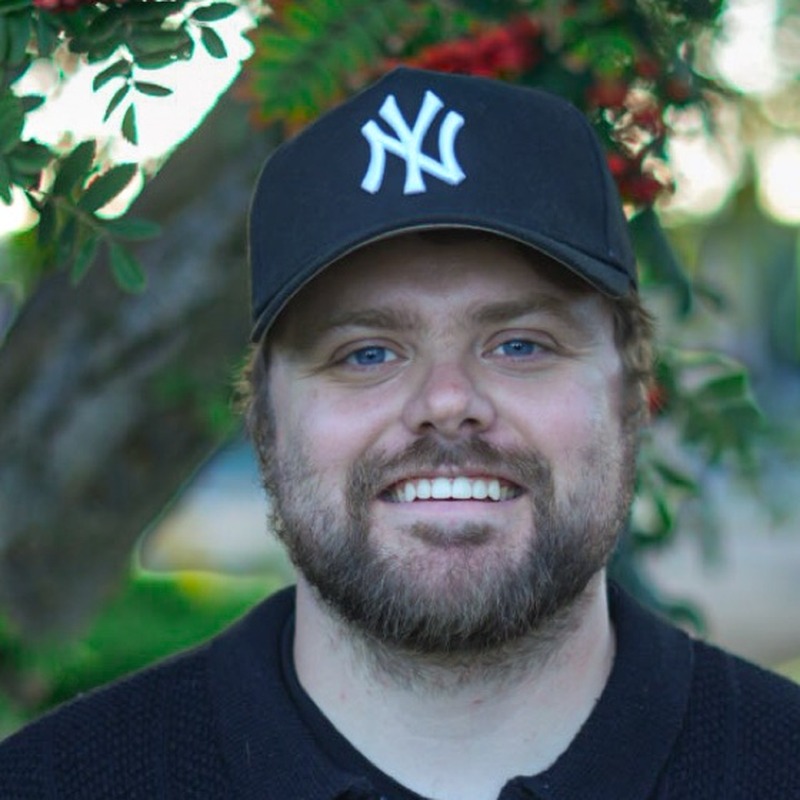
Pastor Aaron

Pastor Aaron

El pastor Aaron es el fundador y pastor principal de Puente á Vida / Bridge to Life. Después de llegar a la fe en 2014, sirvió tres años como pastor asociado en Valleypoint Church, donde fue ordenado en junio de 2024. Lo que comenzó como una clase de inglés (ESL) para inmigrantes en Spokane se convirtió en una iglesia bilingüe: la ayuda con el idioma llevó a la amistad, y la amistad al discipulado. El pastor Aaron es ministro ordenado de la Convención Bautista del Sur (SBC), tiene un certificado de tres años de Grace Sandpoint Bible College y está completando su formación ministerial con Gateway Group. Es un comunicador apasionado, profundamente dedicado a hacer discípulos y a equipar líderes que serán enviados a las naciones. Puente á Vida está afiliada a la Iglesia Evangélica Libre de América (EFCA) y a la Asociación General de Iglesias Bautistas Regulares (GARBC), y pronto se unirá a la red Converge.
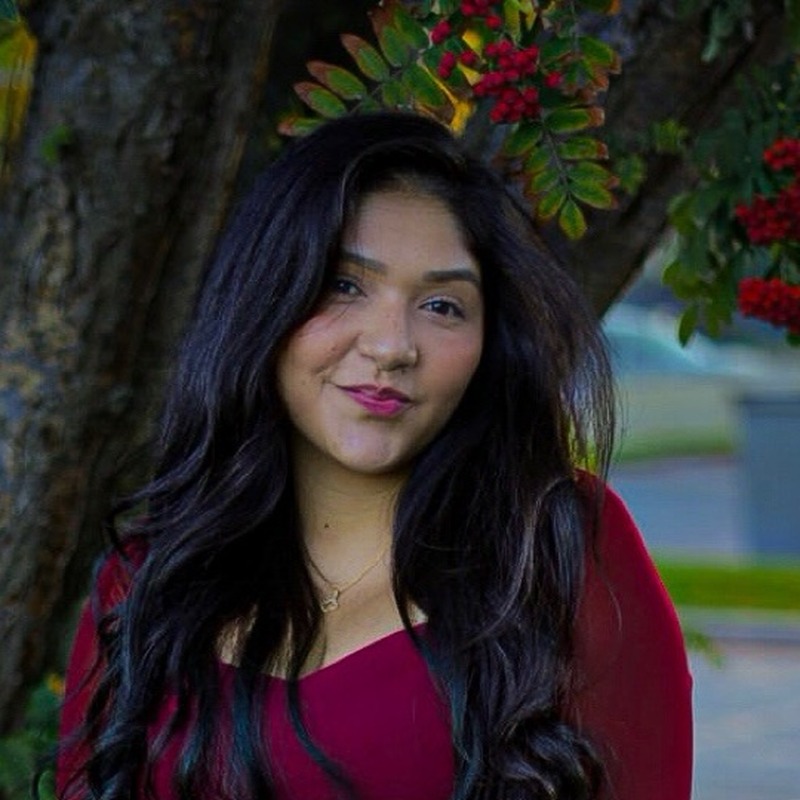
Gisselle

Gisselle

Gisselle sirve junto a su esposo en el ministerio y el liderazgo de Puente á Vida. Traduce los sermones, discipula a mujeres, sirve a los niños, ayuda a dirigir la adoración, organiza los ministerios y abre su hogar regularmente para el discipulado. Es una líder humilde, profundamente apasionada por la iglesia local y por ver a cada cultura y generación crecer en Cristo. Su sueño es una iglesia unida de muchas naciones, un pequeño adelanto del cielo (Apocalipsis 7:9).

Aaron y Gisselle viven en el área de Spokane con sus hijos.

Nuestra historia | Our story

Mario

Mario

Mario es ministro en Puente á Vida y desempeña un papel importante en el liderazgo y el ministerio de la iglesia. Predica, dirige las noches de oración, hace discípulos y ministra fielmente a la congregación. Mario es originario de Guatemala. Vivió y sirvió en Nueva York durante varias décadas antes de mudarse a Spokane para responder al llamado de Dios de alcanzar a la comunidad de Spokane con el evangelio.

Yolanda

Yolanda

Yolanda sirve junto a su esposo en el ministerio de Puente á Vida. Colidera el ministerio de hospitalidad y sirve y ministra fielmente en la iglesia. Es una madre espiritual y una pieza esencial de la iglesia. Yolanda es originaria de México.

Mario y Yolanda tienen más de 30 años de casados.

Pastor Aaron

Pastor Aaron

Pastor Aaron is the founder and lead pastor of Puente á Vida / Bridge to Life. After coming to faith in 2014, he served three years as an associate pastor at Valleypoint Church, where he was ordained in June 2024. What began as an English (ESL) class for immigrants in Spokane grew into a bilingual church plant, as language help led to friendship and friendship led to discipleship. Pastor Aaron is an ordained minister of the Southern Baptist Convention, holds a three-year certificate of completion from Grace Sandpoint Bible College, and is completing ministerial training with Gateway Group. He is a passionate communicator deeply dedicated to making disciples and equipping leaders to be sent to the nations. Puente á Vida is affiliated with the Evangelical Free Church of America (EFCA) and the General Association of Regular Baptist Churches (GARBC), and will soon join the Converge network.

Gisselle

Gisselle

Gisselle serves alongside her husband in the ministry and leadership of Puente á Vida. She translates sermons, disciples women, serves children, helps lead worship, organizes ministries, and regularly opens her home for discipleship. She is a humble leader, deeply passionate about the local church and about seeing every culture and generation grow in Christ. Her dream is a united church of many nations, a small preview of heaven (Revelation 7:9).

Aaron and Gisselle make their home in the Spokane area with their children.

Nuestra historia | Our story

Mario

Mario

Mario is a minister at Puente á Vida with a significant role in the church's leadership and ministry. He preaches, leads prayer nights, makes disciples, and ministers faithfully to the congregation. Mario is from Guatemala. He lived and served in New York for several decades before moving to Spokane to answer God's call to reach the Spokane community with the gospel.

Yolanda

Yolanda

Yolanda serves alongside her husband in the ministry of Puente á Vida. She co-leads the hospitality ministry and serves and ministers faithfully in the church. She is a spiritual mother and an essential piece of the church. Yolanda is from Mexico.

Mario and Yolanda have been married for over 30 years.

Puente Kids

Ministerio de niñosChildren's ministry

Nuestro cuidado de niños está disponible durante cada reunión: domingos 1:45-2:45, oración de los martes 6:30-8:00, y clases de los viernes 6:45-8:15 (cuando estén disponibles).

Our childcare is available during every gathering: Sundays 1:45-2:45, Tuesday night prayer 6:30-8:00, and Friday night classes 6:45-8:15 (when available).